

Essence Over Authenticity: What We’re Missing About Meghan Markle
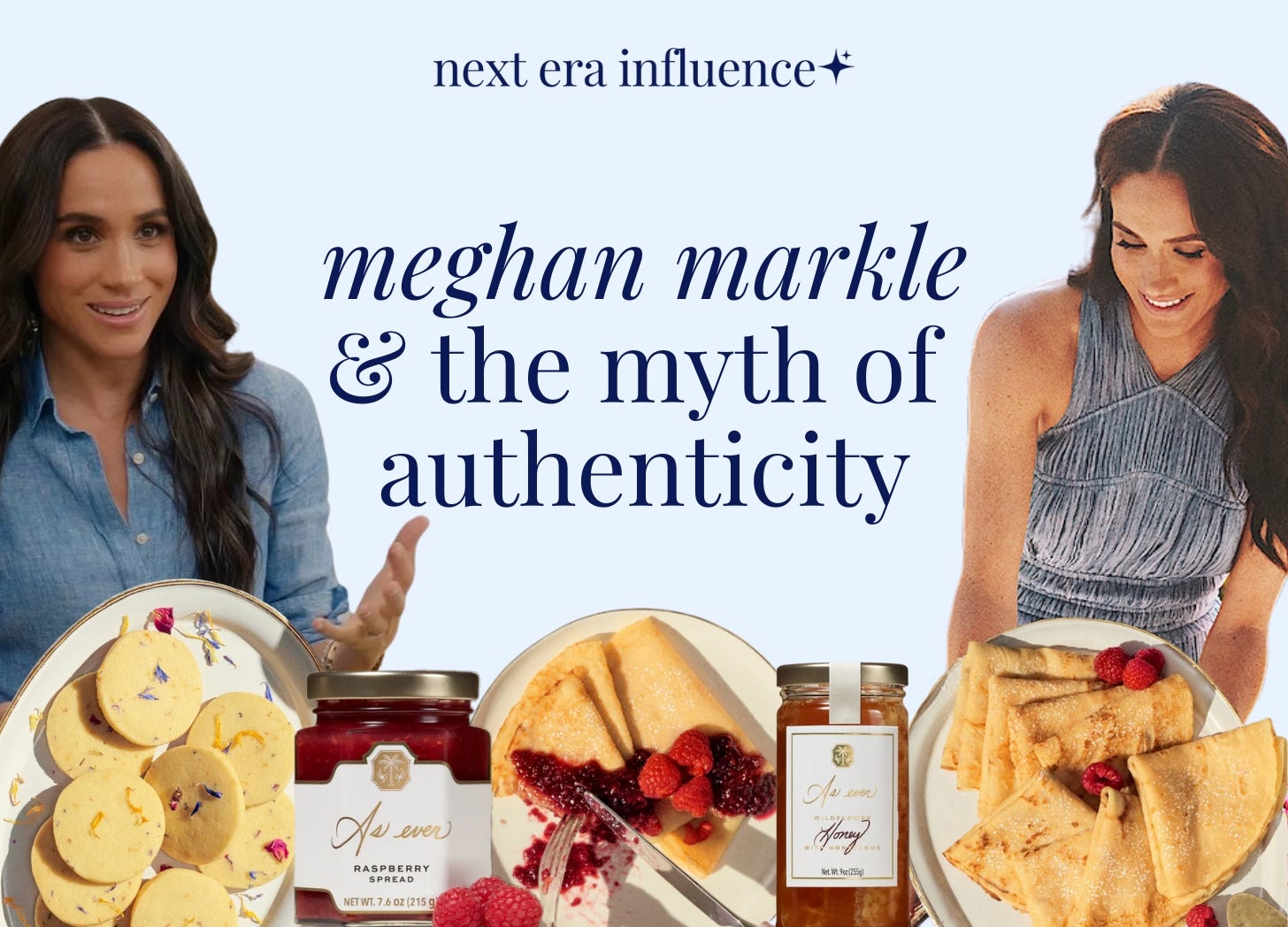
She likes raspberry jam—get over it.

Out of touch. Too earnest. Narcissistic. A new frontier of unreliability.
These were all phrases used to describe With Love, Meghan, the Netflix lifestyle and cooking series starring Meghan, the Duchess of Sussex.
The reviews weren’t surprising. With traditional media rapidly losing relevance, many outlets rely on hot takes over thoughtful insight to keep clicks coming.
And unfortunately, Meghan is one of their favorite targets.
If she tries to support disaster relief, as she did during the LA fires earlier this year, she’s accused of using tragedy for PR. If she focuses on herself and her passions—like raspberry jam—she’s suddenly a narcissist who’s out of touch.
But beneath all of this criticism is one recurring accusation: inauthenticity.
She’s too polished. Her kindness must be fake. No one really lives such a charmed life.
The Myth of Authenticity
But here’s the thing: authenticity is a myth.
It’s become the internet’s favorite buzzword. The golden rule for how to succeed on social media.
On a personal level, authenticity is a noble goal. Being true to ourselves and living in alignment with our values is beautiful.
But online? Authenticity has become performative. A performance we demand from influencers and creators…until they share something that doesn’t fit the box we’ve put them in.
We say we want the whole story. But when someone shares too much, we call it trauma-dumping. If they’re too curated, we say they’re fake. If they don’t disclose every life change in real-time, we say they’re hiding something.
This is where the idea of authenticity debt creeps in.
We start to feel like we owe the internet our pain, our inner thoughts, our vulnerability—even when we’re not ready to share it.
There are, of course, times when transparency is important. Remi Bader faced backlash around her weight loss journey because her brand was built on raw honesty and behind-the-scenes looks at body positivity. Fans and followers were left feeling hurt that Remi continuously evaded their questions around her weight loss.
Brand Essence
But expecting that same level of personal disclosure from Meghan? It misses the point entirely.
From her early days blogging on The Tig to her new brand, As Ever, Meghan has always operated in the same creative lane—one focused on elegance, joy, and making life more beautiful.
And when she launched her new brand, she said it plainly:
“All I can control is this extension of my essence, my aesthetic, and what I want to share with people.”
Honestly? That’s the kind of clarity we should all be striving for online.
Because here’s what often gets lost in the conversation about authenticity: being intentional isn’t fake—it’s powerful.
That’s exactly what Meghan showed us in the first episode of her new podcast, Confessions of a Female Founder. She interviews Whitney Wolfe Herd, founder and CEO of Bumble, and the conversation is full of wisdom that had me stopping to take notes.
What stood out most was how both Meghan and Whitney talked about building brands that are deeply personal, but not in a way that requires constant vulnerability or self-exposure.
Instead, they pointed to something deeper:
Founders who bottle the essence of who they are and weave it into every part of the brand
Brands where the founder’s DNA is inseparable from the company’s identity
This isn’t about chasing authenticity. It’s about intention, clarity, and alignment.
So let’s reframe what building a meaningful brand actually looks like.
Essence
Who are you, really? What matters to you? Why are you doing this?
Not every part of your story needs to be shared—just the parts that reflect your values and purpose.
Aesthetic
How do you bring your essence to life visually?
What imagery and tone feel true to you and also connect with the world you're inviting your audience into?
What You’re Sharing
What do you want people to walk away with?
Whether it’s a product, service, idea, or inspiration, what’s the best way to deliver your message with care and clarity?
There’s so much in the online world we can’t control—trends, algorithms, opinions, hot takes.
But we can control how we show up.
And when we show up with a grounded understanding of who we are, what we love, and what we want to share?
That’s when the magic happens.
That’s when brands sell out in 30 minutes.
Just like Meghan’s.
TL;DR
So let’s stop asking people to be authentic in the ways we think they should be.
Let’s stop treating vulnerability like a social contract.
Because the truth is, the most meaningful brands—and the most resonant creators—aren’t the ones that bare it all.
They’re the ones that know themselves.
They’re intentional about what they share, thoughtful in how they present it, and clear on what they’re building.
And that kind of clarity?
It’s not just refreshing. It’s revolutionary.